
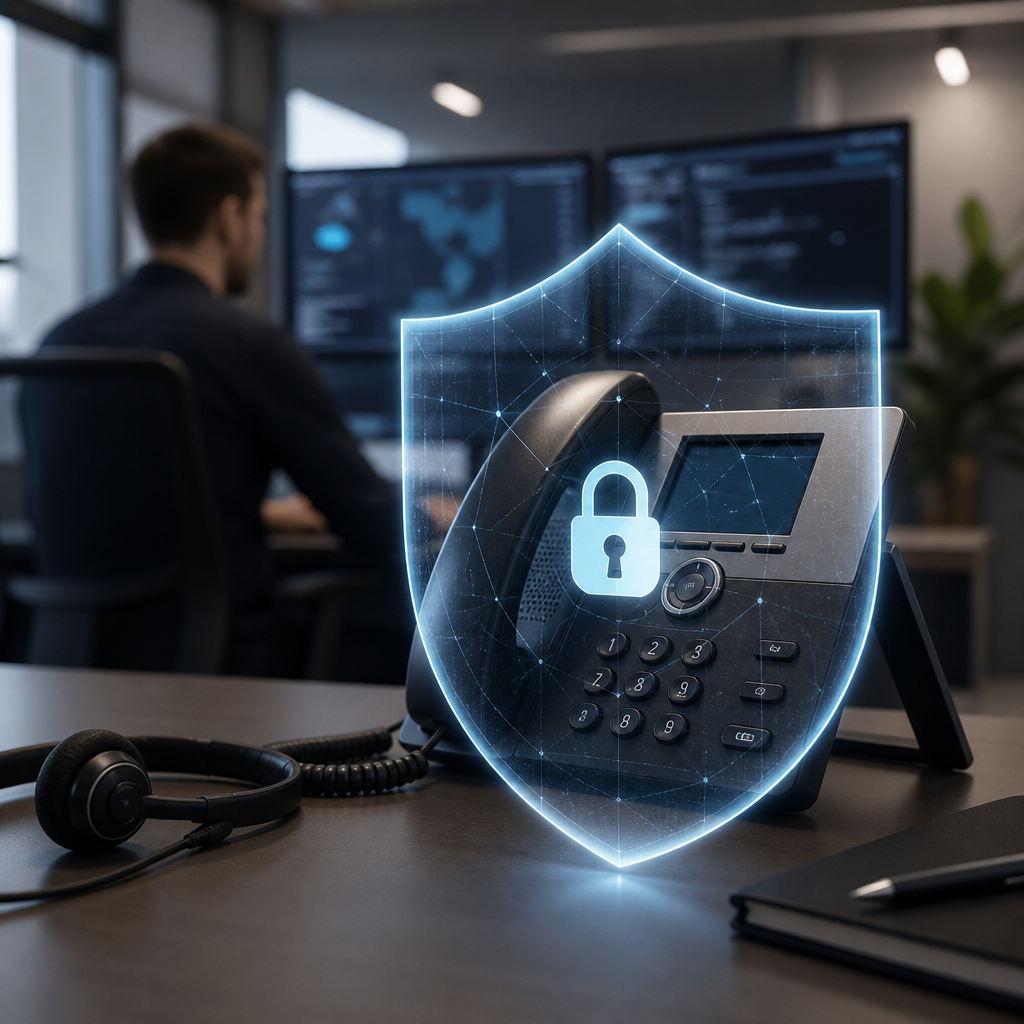
Voice communication drives daily coordination across modern businesses.
For many organizations, voip phone systems support customer service, remote work, and internal collaboration.
That convenience also creates risk.
Attackers often target devices, user accounts, and network edges to disrupt calls or steal data.
With strong endpoint protection, operations teams can reduce exposure and keep communications reliable.
The Cybersecurity and Infrastructure Security Agency highlights how service disruption can impact business continuity.
Why VoIP Phone Systems Need Stronger Security
Many companies focus on email and laptops first. Yet voip phone systems connect handsets, softphones, mobile apps, headsets, routers, and cloud platforms. Every connected device becomes a possible entry point. A weak endpoint can expose the whole voice environment. The National Institute of Standards and Technology offers guidance that supports layered security planning.
For operations leaders, this matters because downtime affects revenue, scheduling, service quality, and compliance. A compromised phone system can lead to dropped calls, toll fraud, account takeover, or eavesdropping.
Common risks include:
- Weak passwords on desk phones or admin portals
- Unpatched firmware on handsets and conference devices
- Insecure softphone apps on employee laptops
- Phishing attacks that steal voice platform credentials
- Poor network segmentation between voice and general traffic
- Lost mobile devices used for business calling
Industries with sensitive conversations face even higher stakes. Teams in medical environments and legal offices often handle private information through voice channels.
What Endpoint Protection Means for Voice Environments
Endpoint protection goes beyond antivirus software. It covers the tools and policies that secure every device touching your communications stack. That includes physical phones, PCs running softphones, tablets used by field staff, mobile devices with calling apps, and supporting hardware like routers or session border controllers. The Center for Internet Security provides useful benchmarks for securing endpoints.
For operations teams managing uptime goals, endpoint security should support both resilience and visibility. You need to know which assets exist, their patch status, who uses them, and whether they show signs of compromise.
A complete endpoint protection approach often includes:
- Device inventory across all voip-related assets
- Centralized patching for operating systems and firmware
- Anti-malware tools on computers running voice applications
- Mobile device management for smartphones using business calling
- Encryption for stored credentials and call-related data
- Access controls based on role and least privilege
- Monitoring for unusual login activity or configuration changes
When these measures work together, voip phone systems become harder to exploit.
Key Threats Operations Teams Should Address First
Not every threat deserves equal attention first. Smart operations planning starts with common attack paths that create the biggest operational damage. The Federal Communications Commission shares practical small business cybersecurity advice that applies here as well.
Credential Theft
Admin consoles are attractive targets. If attackers gain access through stolen passwords, they may reroute calls or create fraudulent extensions.
Priorities include:
- Require strong unique passwords everywhere
- Enable multi-factor authentication when available
- Limit admin access to trusted users only
Unpatched Devices
Old firmware leaves known vulnerabilities exposed. Many organizations update laptops regularly but forget IP phones or conference units.
Priorities include:
- Track model numbers and software versions
- Schedule regular maintenance windows
- Replace unsupported hardware promptly
Insecure Remote Work Endpoints
Softphones make remote communication easy but increase risk when unmanaged home devices connect to company services.
Priorities include:
- Enforce approved device standards
- Use VPN access where appropriate
- separate personal from corporate profiles on mobiles when possible
Network-Based Attacks
Attackers may sniff traffic or flood services if networks are poorly segmented.
Priorities include:
- Use separate VLANs for voice traffic
Wait I inserted malformed bullet? Need fix entire output clean markdown only no artifacts. - Use separate VLANs for voice traffic
- Restrict management interfaces to trusted networks
- Monitor bandwidth spikes and failed registration attempts
Best Practices for Securing Endpoints in VoIP Phone Systems
Strong endpoint protection depends on consistent execution. Security tools matter, but daily discipline matters more. Operations teams should build repeatable controls that reduce human error and improve response speed. The SANS Institute offers practical security guidance that supports this approach.
Standardize Device Deployment
Standard builds make support easier and reduce hidden weaknesses. Every approved phone, laptop, or mobile device should follow the same hardened baseline.
Important actions include:
- Disable unused services and ports on phones
- Change default credentials before deployment
- Apply secure configuration templates across all devices
- Document approved models and retirement dates
Strengthen Identity Controls
Identity remains a top attack surface for voip phone systems. If users authenticate poorly, even well-configured hardware can be exposed.
Helpful steps include:
- Require multi-factor authentication for admin accounts
- Limit privileges based on job function
- Review dormant accounts every month
- Remove access quickly after role changes
Keep Software and Firmware Current
Patch delays create avoidable risk. A clear update process helps operations teams protect uptime while closing known gaps.
A strong patch routine should include:
- Weekly reviews of vendor advisories
- Testing updates before broad rollout
- Emergency procedures for critical vulnerabilities
- Asset tracking tied to patch status reports
Organizations with distributed sites, such as retail and hospitality businesses, benefit from centralized update policies across many endpoints.
Build a Secure Network Around Voice Traffic
Endpoint security works best when paired with network protections. Devices cannot defend themselves fully if they sit on flat or poorly monitored infrastructure. The NIST Cybersecurity Framework supports layered defenses that combine endpoint, identity, and network controls.
For operations leaders, network design directly affects call quality and security posture. Voice traffic needs both performance and isolation.
Recommended network measures include:
- Segment voice devices from user workstations
- Use firewalls to restrict unnecessary inbound traffic
Need fix again?
Key Takeaways
Reliable voice security comes from proactive operations and consistent endpoint protection across every user device. When businesses harden endpoints, control access, and monitor changes, voip phone systems stay more resilient against fraud, downtime, and data exposure. For organizations seeking broader guidance by sector, the industries overview offers useful direction.
Leave a Reply
You must be logged in to post a comment.