
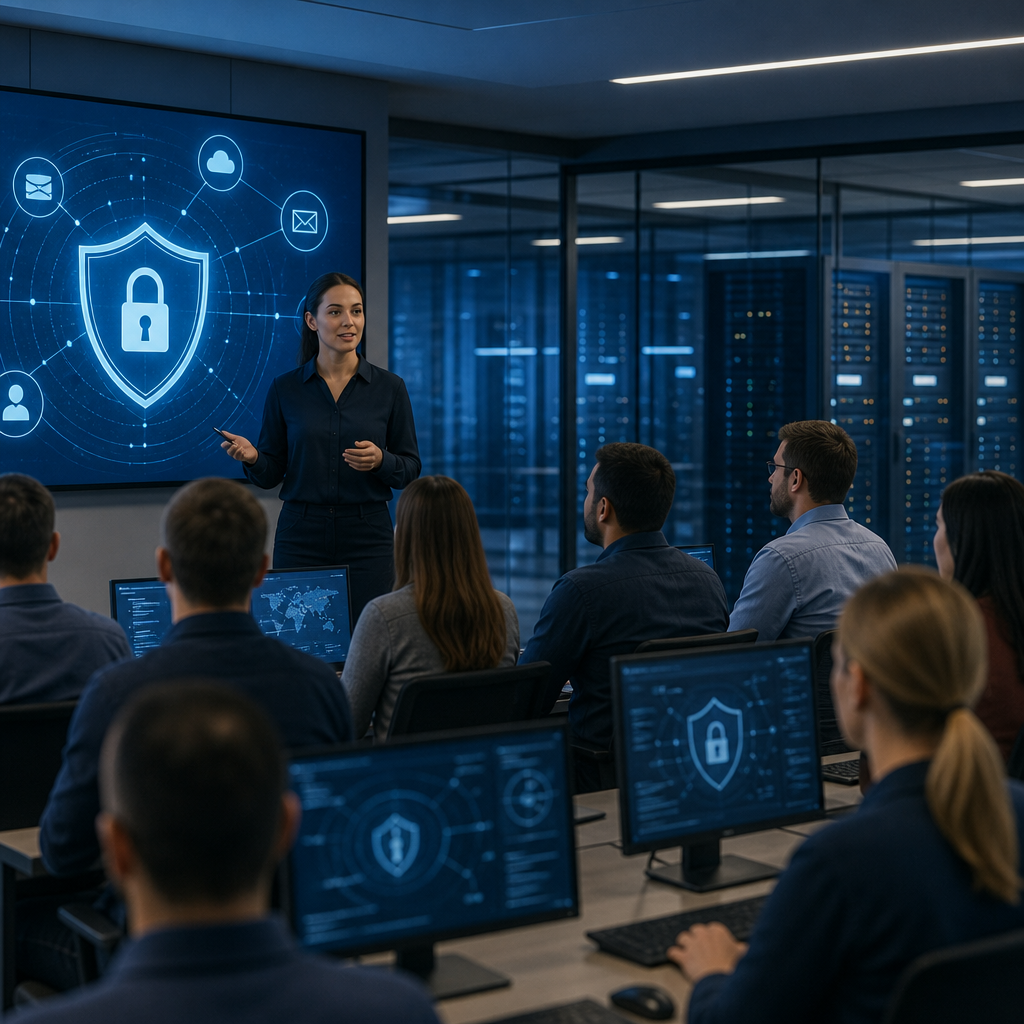
Modern systems face constant pressure from phishing, ransomware, and social engineering. Technology helps, but people still make critical security decisions every day. That is why cybersecurity awareness training is essential for building reliable defenses across every business environment. When employees understand threats, they help protect data, reduce downtime, and support more reliable operations. For broader technology insights, explore the business IT blog.
The Human Element Remains the Biggest Security Risk
Many attacks succeed because someone clicks a malicious link or shares sensitive information. Even advanced systems can fail when users do not recognize warning signs. Cybersecurity awareness training reduces this risk by teaching employees how attackers think and act. The Cybersecurity and Infrastructure Security Agency offers useful guidance on common attack methods.
People interact with email, cloud apps, mobile devices, and shared files all day. Each interaction creates an opportunity for error or protection. Training helps staff make reliable choices under pressure.
Why attackers target employees
Attackers often target people before they target infrastructure. Human behavior can be easier to exploit than hardened systems.
- Employees may trust familiar names in spoofed emails.
- Busy teams may skip verification steps.
- Remote workers may use unsecured networks.
- New hires may not know company security policies.
Organizations in highly regulated sectors face even greater exposure. For example, medical organizations handle sensitive records that require careful access control and privacy awareness.
Cybersecurity Awareness Training Strengthens Daily Decision Making
Security tools work best when users understand their role in defense. Firewalls and endpoint protection cannot stop every risky action. Cybersecurity awareness training teaches practical habits that improve outcomes across modern systems. The National Institute of Standards and Technology provides frameworks that support user education and risk management.
Training should focus on real situations employees encounter each day. Lessons must be simple, relevant, and easy to remember.
Core topics every program should cover
A strong program goes beyond generic presentations. It addresses the behaviors most likely to affect reliable business operations.
- Phishing email detection
- Password hygiene and multi-factor authentication
- Safe web browsing practices
- Data handling rules
- Device security for remote work
- Reporting suspicious activity quickly
When these topics become routine, teams respond faster and more confidently. That leads to fewer incidents and more reliable performance across departments.
Reliable Systems Depend on Informed Users
Reliable systems are not built through software alone. They depend on consistent human actions that support uptime, compliance, and secure collaboration. A trained workforce helps prevent small mistakes from becoming major outages or breaches. Learn more about sector-specific needs across different industries served by managed IT experts.
Employees who understand basic cyber risks can identify unusual behavior earlier. Early reporting gives IT teams time to contain threats before damage spreads through connected systems.
How training improves reliability
Awareness programs create measurable operational benefits when they are repeated regularly.
- Fewer successful phishing attempts
- Faster incident reporting
- Reduced malware infections
- Better password practices
- Stronger compliance readiness
- Less unplanned downtime
These improvements matter in every field, especially where continuity is critical. For example, firms in financial accounting services need secure workflows that protect client records while maintaining dependable access to core platforms.
Modern Threats Change Quickly
Threat actors constantly adapt their tactics to bypass technical controls and exploit current events. A one-time seminar will not prepare staff for new scams six months later. Effective cybersecurity awareness training evolves with changing risks across email platforms, collaboration tools, mobile devices, and cloud-based systems. Current threat updates from the Federal Trade Commission can help businesses stay informed.
Training should be ongoing rather than annual only once a year during compliance season।
Regular updates keep lessons relevant and memorable. Short sessions often outperform long presentations because they fit busy schedules and reinforce key behaviors. The SANS Security Awareness resource center highlights the value of continuous education.
Signs your training program needs an update
A stale program can create false confidence. Modern systems need content that reflects current risks and real workflows.
- Employees still click test phishing messages often.
- Staff cannot explain reporting steps clearly.
- Remote work policies are poorly understood.
- New software launches without security guidance.
- Incident trends repeat across departments.
Training Supports Compliance and Customer Trust
Many organizations must meet legal, contractual, or industry security requirements. Cybersecurity awareness training helps prove that the business takes risk reduction seriously. It also supports reliable documentation for audits, insurance reviews, and vendor assessments. Guidance from the National Cybersecurity Alliance shows how awareness efforts strengthen trust with customers and partners.
Trust is hard to earn and easy to lose. A preventable breach can damage reputation long after technical recovery ends. Training reduces avoidable mistakes that expose private data or interrupt essential systems.
Industries where awareness matters most
Some sectors face higher stakes because they manage sensitive records, payments, or regulated communications.
- Healthcare teams protect patient information daily.
- Legal offices handle confidential case materials.
- Retail staff process payment data across many devices.
- Manufacturers rely on connected systems for production uptime.
- Nonprofits manage donor records with limited resources.
For example, legal IT support services benefit from stronger user awareness because confidentiality is central to client relationships. Likewise, retail and hospitality technology support can help businesses reduce point-of-sale risk through better employee habits.
Effective Programs Use Realistic Practice
People learn faster when training mirrors actual situations. Simulated phishing tests, short videos, scenario-based quizzes, and role-specific examples make lessons stick. These methods build muscle memory that supports reliable responses during stressful moments. The Center for Internet Security offers practical best practices that align well with hands-on education.
Generic advice has limited impact if it ignores job context. Finance teams need invoice fraud examples. Executives need business email compromise scenarios. Front desk staff need visitor access guidance.
Elements of a strong awareness program
A useful program combines education with reinforcement and accountability across all systems users.
- Role-based lessons for different departments
- Phishing simulations with coaching
- Clear reporting channels
- Simple policy reminders
- Onboarding for new hires
- Refresher sessions throughout the year
When these elements work together, employees become active participants in defense rather than passive recipients of rules.
Awareness Training Reduces Recovery Costs After Incidents
Prevention is usually less expensive than response. A single successful phishing attack can trigger downtime, forensic costs, legal review, customer notifications, and lost productivity. Cybersecurity awareness training lowers the chance of those outcomes by helping users stop threats earlier in the attack chain. For incident preparation tips, review resources from Ready.gov cybersecurity guidance.
Even well-protected businesses may still face emergencies. When employees know how to report suspicious activity quickly, containment starts sooner and damage stays smaller across affected systems.
How fast reporting limits impact
Early action gives IT teams a better chance to isolate problems before they spread widely.
- Suspicious emails can be blocked organization-wide.
- Compromised accounts can be reset quickly.
- Infected devices can be removed from networks.
- Fraud attempts can be escalated before payment occurs.
- Backup validation can begin sooner after ransomware alerts.
If an event does occur, access to emergency IT support services can help organizations respond faster while restoring more reliable operations safely.
Leadership Must Reinforce a Security Culture
Training works best when leaders model secure behavior consistently. If managers ignore policy or rush risky approvals, employees notice quickly. Strong leadership turns cybersecurity awareness training into part of company culture instead of a box-checking exercise. The NIST Cybersecurity Framework emphasizes governance as a foundation for resilient systems.
Culture grows through repetition, visibility, and accountability at every level of the organization।
Key Takeaways
Cybersecurity awareness training is no longer optional for organizations that depend on modern systems and reliable daily operations. Well-trained employees help prevent breaches, reduce downtime, and strengthen trust across every department. For more business technology insights, explore the United IT Services blog.
Leave a Reply
You must be logged in to post a comment.